Last updated: August 11, 2026
Quick Answer: for most adults, the best sleep positions & body support setup is the one that keeps your head, rib cage, pelvis, and knees from fighting each other for 7–8 hours, with a pillow height that matches your body and a mattress that does not let your hips sink too far.
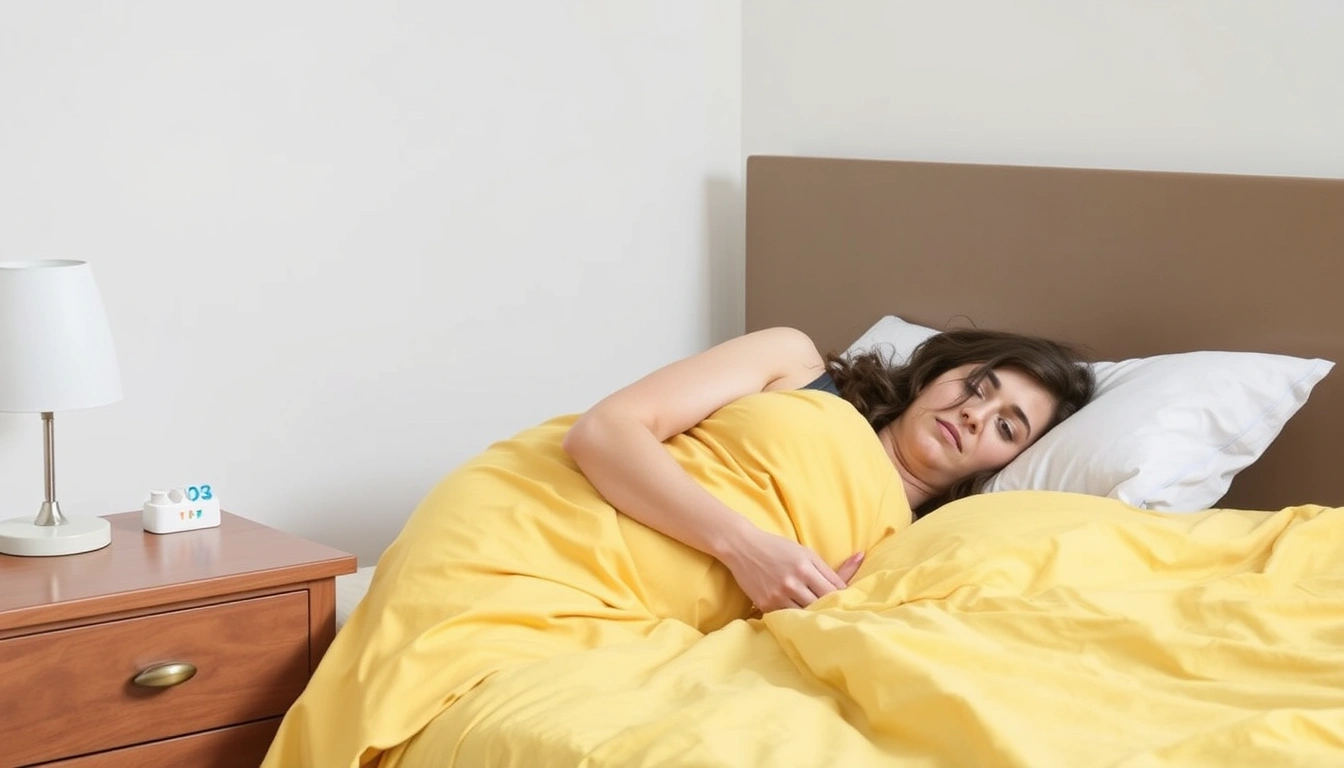
Waking up with a neck that feels jammed, a lower back that refuses to loosen, or shoulders that ache like they lost a fight is usually not about sleeping “long enough.” The fix is support. Better support.
I write about sleep ergonomics and bedding support because the smallest choices — pillow height, mattress feel, and where your knees or arms rest — can change how your body feels the next morning. In sleep positions & body support, tiny mismatches matter; a 2-inch pillow error or a sagging mattress can tilt the neck, load the shoulders, and pull on the lumbar area.
- Back sleeping is usually the simplest support setup for neck alignment.
- Side sleeping often helps breathing comfort and snoring for many people.
- A pillow that is too high or too low can bend the neck for 7–8 hours.
- A pillow between the knees can reduce pelvis twist for many side sleepers.
- If symptoms are persistent, painful, or include gasping or numbness, consult a medical professional.
The Real Difference Between Back Sleeping and Side Sleeping
Back sleeping is the cleaner route for spinal neutrality; side sleeping usually wins on airway comfort and, for many people, quieter breathing. Simple answer. But the real question is messier: which position can your body tolerate without adding pressure points or twisting the neck and pelvis?
When the pillow matches the body, back sleeping keeps the head, neck, and spine closer to one line. It can also reduce uneven load on the shoulders and hips. Yet that arrangement does not suit everyone. A hard lower-back arch, loud snoring, or reflux that flares when flat can make it miserable. “Just try harder” is not the answer. Usually, better lumbar support, a thinner pillow, or a small cushion under the knees does more.
Side sleeping is the default for many people because it feels natural and often eases snoring. It also suits people who want their knees slightly bent or who sleep best in a curled posture. Still, the trade-off is obvious if you have ever woken up with a crushed shoulder or a dead arm: one side carries the shoulder, rib cage, and hip. Too little pillow loft and the neck drops. Too much, and the head tilts up while the cervical spine twists all night. Ugly bargain.
My recommendation: choose back sleeping if your main complaint is neck strain and you can keep your lower back comfortable with a supportive mattress and knee support. Pick side sleeping if you breathe better that way or if back sleeping aggravates snoring or reflux. And if you are changing positions only because a chart told you to? Stop. The position you can support well beats the “ideal” one done badly.
Back Sleeping: Who Should Actually Use This (and Who Shouldn’t)
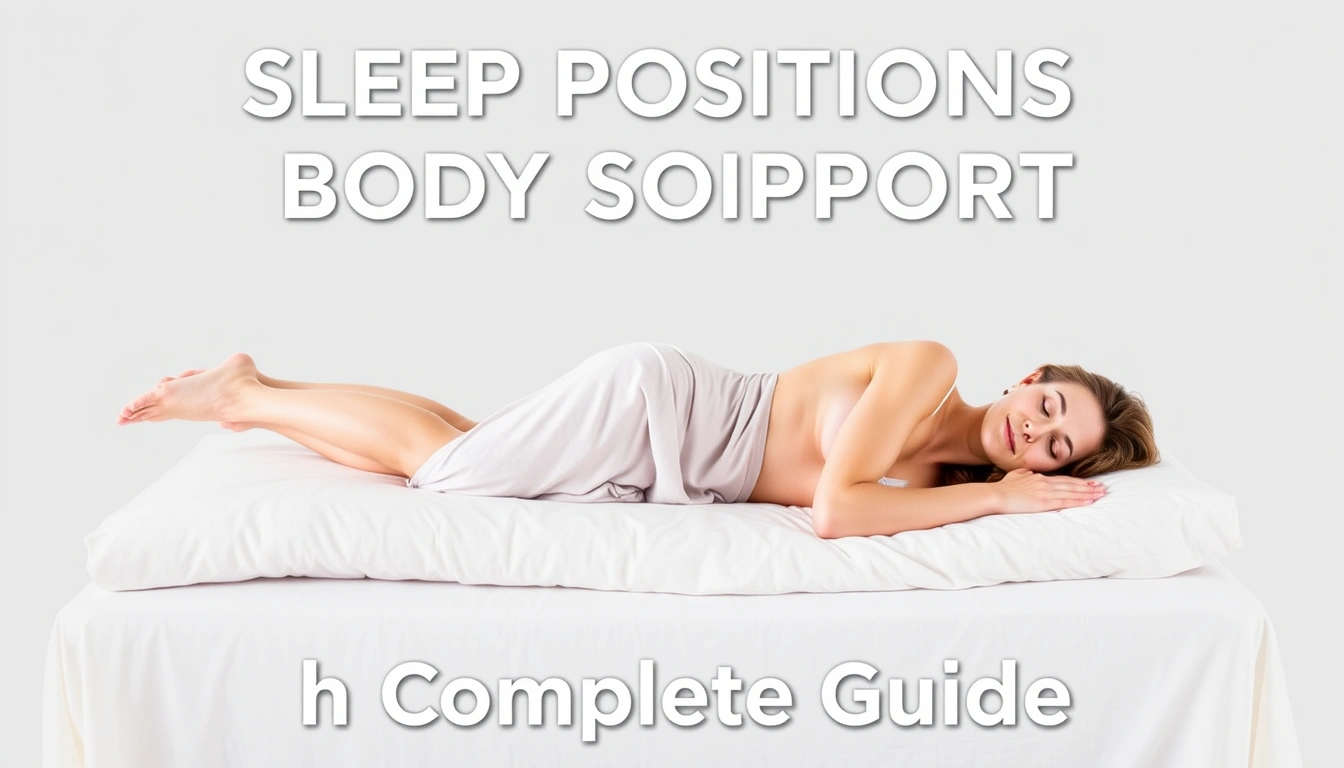
Back sleeping is the best first pick for people who want the most straightforward path to a neutral spine. Honestly, that is the position I would try first for someone who wakes with a stiff neck, wakes with facial pressure from a pillow buried under one cheek, or wants the simplest setup: a medium pillow, a supportive mattress, and maybe a small cushion under the knees.
Alignment is the big advantage. When the pillow fills the space under the head without pushing the chin toward the chest, the neck has less work to do. When the mattress supports the pelvis without letting the hips sink too far, the lower back can actually relax instead of bracing. That can feel like a sigh of relief for people whose pain gets worse with twisting or side compression. Back sleeping also avoids the shoulder squeeze that side sleepers deal with every night.
But it is not for everyone. I would pass on it if you snore heavily, if a clinician has told you to avoid supine sleep because of sleep apnea concerns, or if lying flat makes reflux worse. It is also a poor match for people who need to curl up to feel safe or comfortable. Comfort matters. A “correct” position that keeps you awake is useless.
The common mistake is a pillow that is too thick. That pushes the chin down and shortens the front of the neck. Another one: a mattress that is too soft under the hips. Then the pelvis sinks, the lower back arches, and morning feels like you slept in a hammock. For back sleepers, support is mostly restraint — keep the head from tipping, keep the hips from dropping, and do not fix one problem by piling on giant cushions.
If you want the least fussy setup for neck and spine support, back sleeping is the first option I would test. If you snore badly or cannot tolerate lying flat, skip it.
Side Sleeping: The Specific Situations Where It Wins
Side sleeping wins when breathing comfort and overall relaxation matter more than perfect spinal symmetry. I would choose it for people who snore more on their back, for many pregnant sleepers, and for anyone who simply cannot stay comfortable on their back for more than a few minutes.
Why does it feel easier? Because the airway often stays happier. And many people can settle into a naturally bent-knee posture that eases the sense of pulling in the lower back. With the right pillow setup, side sleeping can be excellent for people who need pressure spread across the body instead of concentrated on the sacrum and shoulder blades.
Support is the catch. Side sleeping is where pillow fit matters most. You need enough loft to keep the head level with the spine. You also need the shoulder to have room to sink slightly into the mattress without collapsing the upper body. If the mattress is too firm, the shoulder gets jammed. If it is too soft, the waist sags and the spine curves like a comma. That math stops working fast.
Side sleepers also benefit from knee support more often than they expect. Resting a cushion between the knees can keep the top leg from dragging the pelvis forward and twisting the lower back. For many people, that is the difference between “side sleeping hurts” and “side sleeping is fine.” Not a luxury add-on. Basic support.
The honest downside is shoulder pressure. If you already have shoulder pain, numbness in the arm, or a history of waking with a dead hand, side sleeping can aggravate those symptoms unless the mattress and pillow are well matched. It can also press on the jaw in a way some people dislike.
Side sleeping wins when you need breathing comfort, a natural curl, or an easy-to-hold posture. It loses when shoulder pressure or neck angle is the main problem.
The Honest Side-by-Side
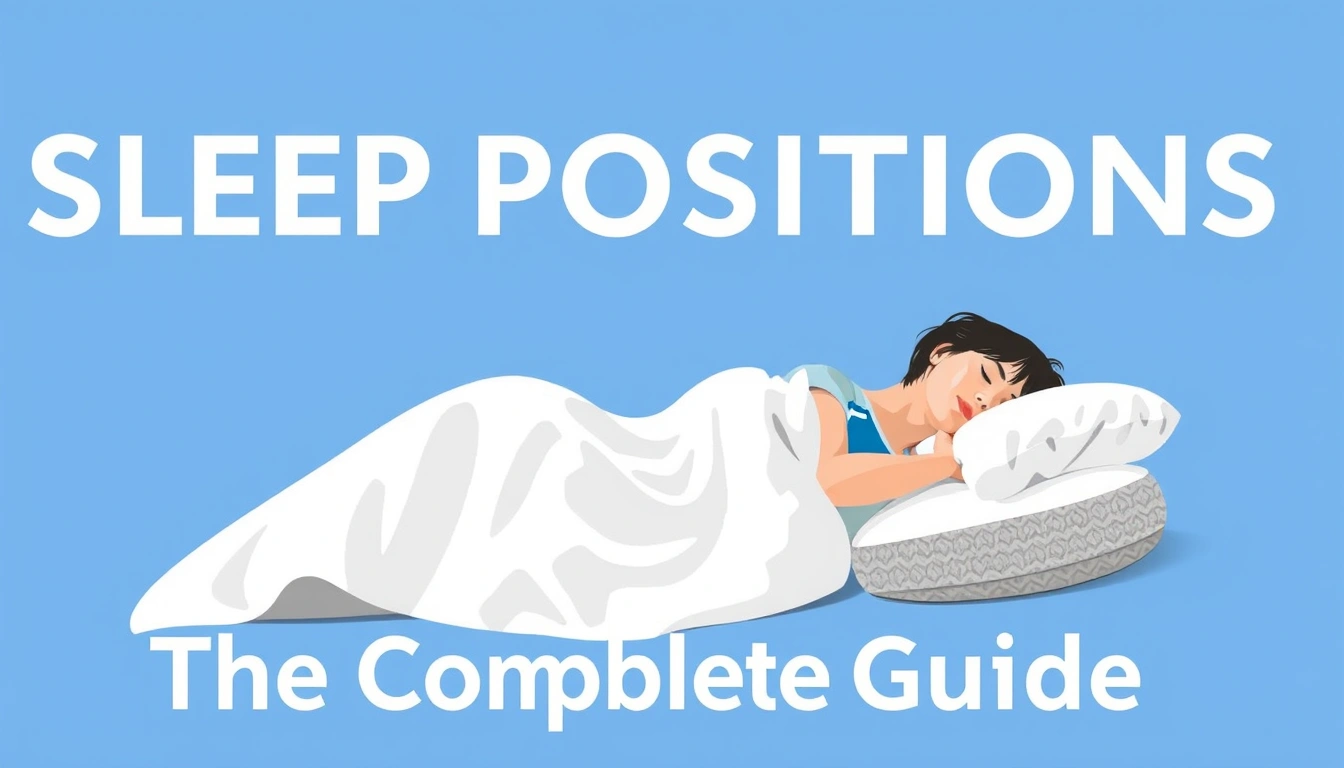
The right choice changes with the problem you are trying to solve. Here is the comparison I would use if someone asked me which position supports the body better.
| Criteria | Back Sleeping | Side Sleeping | Winner for [condition] |
|---|---|---|---|
| Neck alignment | Easier to keep neutral with the right pillow height | Needs more precise pillow loft to avoid tilting the head | Back, for neck strain |
| Shoulder pressure | Minimal direct shoulder loading | One shoulder bears most of the load | Back, for shoulder pain |
| Breathing comfort | Can worsen snoring for some people | Often feels easier for snorers | Side, for snoring concerns |
| Lower-back comfort | Needs knee support if the lumbar area arches | Often helped by a pillow between the knees | Depends on pain pattern |
| Pressure distribution | More even across the back if the mattress supports the hips | Concentrated on shoulder and hip on one side | Back, for pressure relief |
| Ease of maintaining position | Some people roll without noticing | Many people naturally stay side-lying | Side, for restless sleepers |
| Reflux-friendly sleep | Sometimes worse if flat | Often better tolerated when left-side lying is comfortable | Side, for reflux-prone sleepers |
| Pregnancy comfort | Usually less favored later in pregnancy | Commonly easier to support with pillows | Side, in pregnancy |
| Setup simplicity | Usually fewer pillows and fewer moving parts | Needs better pillow matching and often knee support | Back, for simple support |
The table matters because people usually ask the wrong question. They ask, “Which position is best?” The better question is, “Which position can I support without creating a new problem?” That is the real filter.
For neck pain and shoulder pain, back sleeping usually wins. For snoring, pregnancy, and many reflux cases, side sleeping usually wins. For lower back pain, the answer depends on whether your pain comes from arching, compression, or stiffness on one side.
How to Support Each Sleep Position Properly
Support is not one accessory. It is the mix of mattress feel, pillow height, and small body supports that keeps you from bending in the wrong places.
Back sleeping works best with a pillow that keeps the head level, not propped up. A second support under the knees can reduce the pull on the lower back by letting the pelvis relax a little. If the mattress is very soft, the hips may sink too far and no pillow can fully fix that. In that case, the problem is not the position; it is the surface underneath it.
For side sleeping, the head pillow needs enough loft to fill the distance from shoulder to ear. That distance varies by shoulder width and pillow compressibility, so a 16-inch-wide shoulder often needs more loft than a smaller frame. A pillow between the knees helps keep the pelvis from twisting. Some people also do well with a small pillow or rolled blanket at the waist if there is a gap between the ribs and the mattress. Easy to overlook. Hard to sleep through.
I would avoid the common mistake of using one giant, overstuffed pillow for everything. It may feel plush for ten minutes, then strain the neck all night. I would also avoid a mattress that is so soft the body sinks into a shallow trough, especially for side sleeping. Soft does not always mean supportive. If the shoulder disappears but the waist collapses, the spine is not resting.
The best setup is the one that keeps your head, rib cage, pelvis, and knees from fighting each other over 7 or 8 hours. A pillow can help one body part and irritate another. The goal is not maximum padding. The goal is even support.
Our Verdict: Which One to Choose and Why
Choose back sleeping if your main complaint is neck strain, shoulder pressure, or waking up twisted, and you can keep your lower back comfortable with the right pillow and a stable mattress. Choose side sleeping if you snore, need better breathing comfort, are pregnant, or simply cannot stay comfortable on your back. Neither if you have persistent pain, numbness, or breathing symptoms that worsen in sleep and have not been evaluated.
That is the clean recommendation. I would not hide the point: for pure body support, back sleeping is the cleaner position. It is easier to align, easier to cushion, and easier to keep consistent. Side sleeping is the more practical choice for people who need better breathing comfort or cannot tolerate lying flat, but it asks for better setup. It is more sensitive to pillow height and mattress feel.
If I were choosing for myself based only on support mechanics, I would start with back sleeping and add knee support before I chased anything more complicated. If breathing comfort or snoring was the issue, I would switch to side sleeping and focus on pillow loft plus a cushion between the knees.
The important part is not what a chart says. It is what your body can hold for seven or eight hours without creating a new pressure problem. That is the line between a good sleep position and a bad one disguised as “normal.”
When to Reconsider This Choice Entirely
Some situations change the whole conversation, and this is where people need to stop treating sleep position as a simple preference.
First, if you snore loudly, wake up gasping, or are told you may have sleep apnea, sleep position is not a casual comfort choice. Talk to a medical professional. Side sleeping often helps, but it is not a substitute for diagnosis or treatment; the Mayo Clinic and the National Heart, Lung, and Blood Institute both note that ongoing symptoms deserve medical evaluation.
Second, if you have persistent shoulder numbness, arm tingling, or hand pain on waking, side sleeping may be compressing something it should not. That does not necessarily mean side sleeping is wrong forever. It may mean your mattress, pillow, or arm position is wrong. If the symptoms continue, get evaluated.
Third, if your lower back pain gets worse no matter which position you use, the issue may be less about position and more about the support surface, muscle tension, or an underlying condition. A pillow can help. It cannot solve every back problem.
Fourth, if reflux is a major issue, position changes can matter, but they should be discussed with a clinician if symptoms are frequent or severe. Lying flat or lying the “wrong” way can make a real difference, and that deserves proper attention. For general guidance, see the NHS reflux advice and the ACG clinical guideline on gastroesophageal reflux disease.
For more detailed medical guidance on sleep positioning and safety, I would point readers to the American Academy of Sleep Medicine, the National Heart, Lung, and Blood Institute, and the NHS sleep advice pages. The general idea is consistent: if sleep symptoms are persistent or intense, get a professional opinion rather than guessing your way through it.
Practical Sleep Support Setups I’d Use First
If someone asked me where to begin, I would keep it simple.
For back sleepers:
– Use a pillow that supports the head without pushing the chin down.
– Place a small pillow under the knees if the lower back feels tight.
– Make sure the mattress supports the hips instead of letting them sink deeply.
For side sleepers:
– Use a pillow tall enough to keep the neck level.
– Put a cushion between the knees.
– If there is a gap at the waist, add a small rolled towel or slim cushion there.
For mixed sleepers:
– Choose a medium pillow that does not overlift the head.
– Keep one supportive pillow nearby so you can move from back to side without stacking too much height.
– Watch for the position you return to unconsciously; that is usually the one your body prefers.
I would start with the basics and change one variable at a time. Too many people swap pillows, mattress toppers, and wedge cushions all at once, then have no idea what actually helped. And I would not buy a pile of gadgets first.
Common Mistakes That Make Good Positions Feel Bad
The first mistake is confusing softness with support. A soft bed can still be unsupportive if the body sinks unevenly.
The second mistake is treating pillow height as a guess. It is not. The gap between your shoulder and ear on your side, and the curve under your neck on your back, are what matter. If symptoms are ongoing, a physical therapist, sleep specialist, or primary care clinician can help you check whether the setup needs adjusting.
The third mistake is ignoring the lower body. People focus on the head and neck, then wonder why the back hurts. Pelvis and knees matter.
The fourth mistake is expecting one position to fix every symptom. If your pain changes with position but never goes away, you may need a different support setup or a medical review.
FAQs
What is the best sleep position for body support?
Back sleeping is usually the cleanest position for spinal alignment if your pillow and mattress are supportive. Side sleeping is often better if breathing comfort or snoring is the main issue.
Is side sleeping bad for your shoulders?
It can be if the mattress is too firm, the pillow is too low or too high, or you sleep with your arm trapped under your body. A pillow between the knees helps, but it does not remove shoulder pressure.
How do I know if my pillow is the wrong height?
If your neck feels bent up or dropped down, or you wake with stiffness at the base of the skull or across the shoulders, the pillow height is probably off. Side sleepers often need more loft than back sleepers.
Should I put a pillow under my knees?
If you sleep on your back and your lower back arches, yes, that is often worth trying. It can also help side sleepers if a cushion between the knees keeps the pelvis from twisting.
When should I talk to a doctor about sleep position?
If you have loud snoring, gasping, numbness, tingling, persistent pain, or reflux that keeps interfering with sleep, talk to a medical professional. Sleep position can help, but it should not be used to ignore symptoms that need care.