Last updated: August 11, 2026
- The second trimester can feel like the first real breather of pregnancy.
- Your stomach becomes less forgiving Heartburn and reflux often show up or get worse in the second trimester.
- The second trimester is simply a stretch where your body asks for more adjustment than before.
- That is my call because the second trimester usually responds best to practical comfort changes, not dramatic overhauls.
Quick Answer: Most people do best in second trimester sleep: how your sleep changes what helps with a simple side-sleeping setup. Why? Sleep often improves after the first trimester, but heartburn, congestion, cramps, and position shifts still keep barging in.
Key Facts
– Second-trimester sleep often improves from the first trimester, but it is still vulnerable to discomfort and waking.
– A simple side-sleeping setup usually helps more than adding lots of pillows.
– Heartburn, congestion, leg cramps, and bathroom trips are common sleep disruptors in pregnancy.
– If you have pain, severe insomnia, snoring with pauses, or shortness of breath, talk to a clinician.
– ACOG and the NHS both recommend checking pregnancy sleep symptoms with a health professional when they are persistent or severe.
The second trimester can feel like the first real breather of pregnancy. Sleep, though? Still weird. When you are waking up less nauseated but more restless, or you suddenly cannot find a position that feels normal, that fits this stage. This article is about second trimester sleep: how your sleep changes what helps because plain answers matter more than cute advice.
In short, second trimester sleep usually improves compared with the first trimester, but it often becomes more vulnerable to position changes, heartburn, congestion, and leg discomfort. Perfect sleep is not the target. Better sleep is.
What Changes in Second Trimester Sleep
The biggest shift is simple: the second trimester often stops feeling like pure survival mode. Many people get a little more energy, fewer bathroom trips than later in pregnancy, and less nausea. But normal sleep does not fully return. It just mutates.
Three patterns show up a lot:
- You fall asleep more easily than in early pregnancy, but stay sensitive to discomfort. Your body is changing fast, and even a small pressure point can feel enormous.
- Side sleeping becomes more important. As the uterus grows, back sleeping can start to feel wrong or bring on symptoms for some people.
- New sleep disruptors show up. Heartburn, nasal congestion, vivid dreams, leg cramps, and restless legs can become the main problems.
A generic article will tell you to “sleep on your side and use a pillow.” Fine. But that misses the real snag: in the second trimester, sleep problems usually come from a chain of smaller annoyances stacked together. Death by a thousand little wakings.
I also want to be careful here: pregnancy sleep advice is general advice, not a substitute for your obstetric clinician. With pain, shortness of breath, heavy snoring with pauses in breathing, frequent leg swelling, or severe insomnia, bring it up at a prenatal visit. The ACOG pregnancy guidance and the NHS pregnancy pages both recommend checking persistent symptoms with a clinician rather than guessing: https://www.acog.org/womens-health and https://www.nhs.uk/pregnancy/
For basic guidance on sleep and pregnancy, I trust the information from the American College of Obstetricians and Gynecologists (ACOG) and the NHS:
– ACOG pregnancy FAQ pages on sleep and discomforts: https://www.acog.org/womens-health
– NHS advice on pregnancy sleep and tiredness: https://www.nhs.uk/pregnancy/
Why Second Trimester Sleep Usually Feels Different
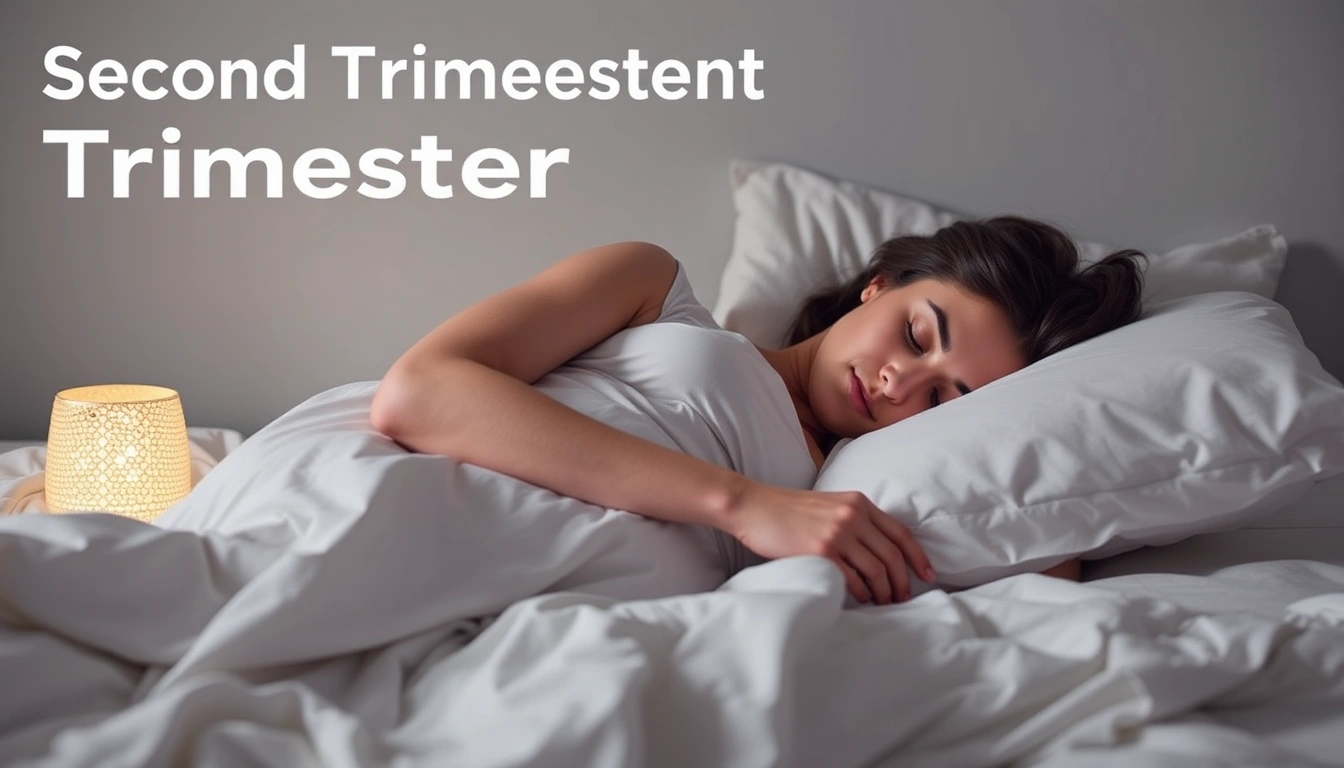
Two things are happening at once: many people feel more daytime energy, while sleep itself gets touchier.
Here is the trade-off.
Your body is less nauseated, but more mechanically sensitive
Once morning sickness eases for many people, sleep can feel deeper at first. Then the physical changes catch up. The uterus grows, ligaments loosen, breasts stay tender, and your center of gravity shifts. Positions that used to vanish into the background can now wake you up.
Your circulation changes
Some people notice swelling, heaviness, or a “hot” feeling in the legs by this stage. Settling down can get harder. When your legs feel jumpy at night, that may point toward restless legs, low iron, or plain pregnancy-related discomfort that still deserves a mention to a clinician.
Your stomach becomes less forgiving
Heartburn and reflux often show up or get worse in the second trimester. A full dinner, lying flat, or a too-tight sleep position can trigger it fast. So the fix is not only about pillows; it is also about meal timing and bedtime.
Your sleep architecture changes in a practical sense
I am not going to pretend every reader needs a lecture about sleep cycles. What matters is this: even if the total hours are decent, pregnancy sleep can feel lighter and more interrupted. So the fix is not just “go to bed earlier.” It is removing the biggest nighttime triggers.
What Helps Most: A Side-Sleeping Setup That Actually Stays Put
If I had to pick one thing that helps most second-trimester sleepers, I would choose a stable side-sleeping setup. Not because side sleeping is magical. Because it tackles the most common physical complaint: pressure and discomfort.
That means more than a single pillow under the belly. Aim for one of these setups:
- A pillow between the knees
- A pillow supporting the belly
- A long body pillow
- A wedge behind the back if you keep rolling flat
Why does this help? Simple. It cuts down twisting through the hips and lower back, which makes it easier to stay asleep after you roll over. It also takes some strain off the pelvis and helps the top leg stop drifting forward. Oddly enough, the body seems to hate being held in a half-twist.
What it does well
- Makes side sleeping feel less awkward
- Reduces hip and lower-back strain
- Can lower the chance that you wake every time you move
- Helps some people stay off their back without feeling trapped
What it does not do
- It will not fix heartburn by itself
- It will not stop nighttime bathroom trips
- It can be annoying if you sleep hot or hate bulky bedding
- A giant pillow setup can crowd a small bed
Who should use this approach
I would recommend this for anyone whose main problem is position discomfort: sore hips, a pulling belly, back strain, or waking when turning over.
Who should skip it
Skip the elaborate pillow tower if you are the kind of sleeper who gets frustrated by clutter in the bed. In that case, a single firm pillow between the knees and a small wedge behind the back may work better than a full pregnancy pillow.
One practical rule from me: support the parts that hang, and stabilize the parts that twist. That usually beats adding more and more pillows.
The Real Difference Between Side Sleeping and “Just Sleep However You Want”

Side sleeping in the second trimester is not about perfection; it is about easing symptoms. “Sleep however you want” only works if your body still tolerates every position. Once the belly grows and heartburn starts, that is often no longer true.
I would choose side sleeping over unrestricted sleep positioning for most people in the second trimester because it usually gives more predictable comfort. The downside is real, though. It can feel restrictive, and some people wake up anxious about whether they rolled flat. That anxiety can become its own sleep problem if nobody says it plainly.
The real choice is not philosophical. It is about what actually lets you stay asleep.
The Honest Side-by-Side
| Criteria | Side-Sleeping Setup | Unrestricted Positioning | Winner for this condition |
|---|---|---|---|
| Hip and pelvic comfort | Usually better with pillow support | Can be fine early on, then less reliable | Side-sleeping setup |
| Heartburn control | Often better if upper body is slightly elevated | Flat lying can worsen reflux | Side-sleeping setup |
| Ease of movement | More structured, less freedom | More freedom | Unrestricted positioning |
| Sleep anxiety | Can increase worry about “doing it right” | Can feel more natural and less fussy | Unrestricted positioning |
| Back pain support | Often better with knee and belly support | Varies, often less support | Side-sleeping setup |
| Works in a small bed | Sometimes awkward if the pillow setup is large | No extra gear needed | Unrestricted positioning |
| Best for frequent position changers | Can feel cumbersome | Usually easier | Unrestricted positioning |
| Best for reflux-prone sleepers | Usually stronger option | Usually weaker option | Side-sleeping setup |
| Best for “I just need one thing tonight” | Can be overcomplicated | Simple and low-effort | Unrestricted positioning |
The Most Useful Sleep Fixes for Second Trimester Problems
Once you know what is disrupting sleep, the fixes get more specific. I would treat second-trimester sleep like matching the symptom to the fix, but when symptoms are severe or persistent, check with a clinician before trying treatments.
When heartburn is waking you up
- Avoid a large meal right before bed.
- Sleep with your upper body slightly elevated if that helps.
- Ask your clinician which antacids or reflux treatments are okay in pregnancy, because the safest option depends on your situation; ACOG and the NHS both advise checking pregnancy medications with a professional first.
When your legs feel restless or crampy
- Bring up the symptoms at prenatal care.
- Ask whether iron status should be checked if restless legs are frequent.
- Use gentle calf stretches before bed if they help.
- Do not assume it is “just pregnancy” if the sensation is severe or persistent.
When congestion is the problem
- Humidified air or saline nasal spray may help.
- Sleeping slightly elevated can reduce that stuffed-up feeling.
- If you are considering decongestants or other medications, check with your clinician first.
When you keep waking to pee
- Shift fluids earlier in the evening rather than cutting them too aggressively all day.
- Empty your bladder right before bed.
- Avoid the common mistake of dehydration, which can make cramps and headaches worse.
When your back or hips hurt
- Use the minimum pillow setup that solves the pain.
- Try a firmer mattress topper only if your bed is very soft and making you sink badly.
- Gentle daytime movement usually helps more than staying still all day.
What I Would Actually Recommend
If you are in the second trimester and asking me what to do tonight, I would make this my order of operations:
- Start with side sleeping.
- Add one support pillow between the knees.
- Add belly support only if you still feel pulling or tipping.
- Treat the actual symptom that wakes you up — heartburn, congestion, cramps, or bathroom trips — with guidance from a clinician if needed.
- Stop adding gear once you are comfortable enough to stay asleep.
I am intentionally not recommending a giant, expensive pillow system as the default. Some people love those pillows, and I get why. They can feel like a cocoon. But they also take up space, run hot, and can become one more thing to wrestle with at 2 a.m. A simpler setup often works just as well.
This is also where people get stuck: they think sleep problems mean they are doing pregnancy wrong. They are not. The second trimester is simply a stretch where your body asks for more adjustment than before.
When to Reconsider This Choice Entirely
Sometimes the issue is not which pillow to use. It is that something else is interfering with sleep in a way that needs medical attention.
Reconsider your sleep plan and talk to a clinician if you have:
- Loud snoring that is new, or pauses in breathing during sleep
- Severe insomnia that is lasting more than a few nights
- Pain that is sharp, one-sided, or not just “pregnancy discomfort”
- Frequent leg symptoms that feel like an uncontrollable urge to move
- Shortness of breath when lying down
- Swelling, headaches, or visual symptoms that feel unusual for you
I am also cautious about any sleep aid in pregnancy, including over-the-counter products and herbal remedies. “Natural” does not automatically mean safe. Before taking anything for sleep, ask your obstetric clinician or pharmacist what is appropriate for your situation.
Exception Scenarios: When the Usual Advice Flips
There are a few cases where my general advice changes.
-
When side sleeping makes you more anxious than sleepy, simplify.
A less fussy setup may help more than the “perfect” pregnancy pillow arrangement. -
When reflux is your main problem, position alone will not solve it.
Meal timing and elevation matter as much as pillow placement. -
If back pain is severe, the mattress may be part of the problem.
Sometimes the issue is too-soft support, not your sleeping position. -
If you snore loudly or gasp at night, do not just buy a pillow.
That needs medical attention, not a bedding upgrade.
Our Verdict: Which One to Choose and Why
Choose side sleeping with simple support pillows if your main issue is hip, belly, or back discomfort and you want the most reliable comfort fix. Choose simpler, less structured sleep positioning if you hate bulky bedding, wake often to change positions, or feel more stressed by sleep rules than helped by them. Neither if your sleep problems are severe, new, or tied to symptoms that need prenatal evaluation.
That is my call because the second trimester usually responds best to practical comfort changes, not dramatic overhauls. A good setup should disappear into the night, not dominate it.
Quick FAQ
Is it normal to sleep better in the second trimester?
Yes. Many people do sleep better than in the first trimester, but sleep often becomes more sensitive to position, reflux, congestion, and cramps.
Do I have to sleep only on my left side?
No. Side sleeping is generally the main goal, and many people switch sides during the night. When one side is more comfortable, use it; if not, ask your clinician what is best for you.