Last updated: August 11, 2026
- Quick answer: The best pregnancy sleep mask for light sensitivity is usually a contoured blackout style.
- Key facts: Best overall for side sleepers: MZOO Sleep Eye Mask .
- Best soft feel: Alaska Bear Natural Silk Sleep Mask .
- Best budget pick: LitBear Sleep Mask .
We may earn a commission from qualifying purchases at no cost to you.
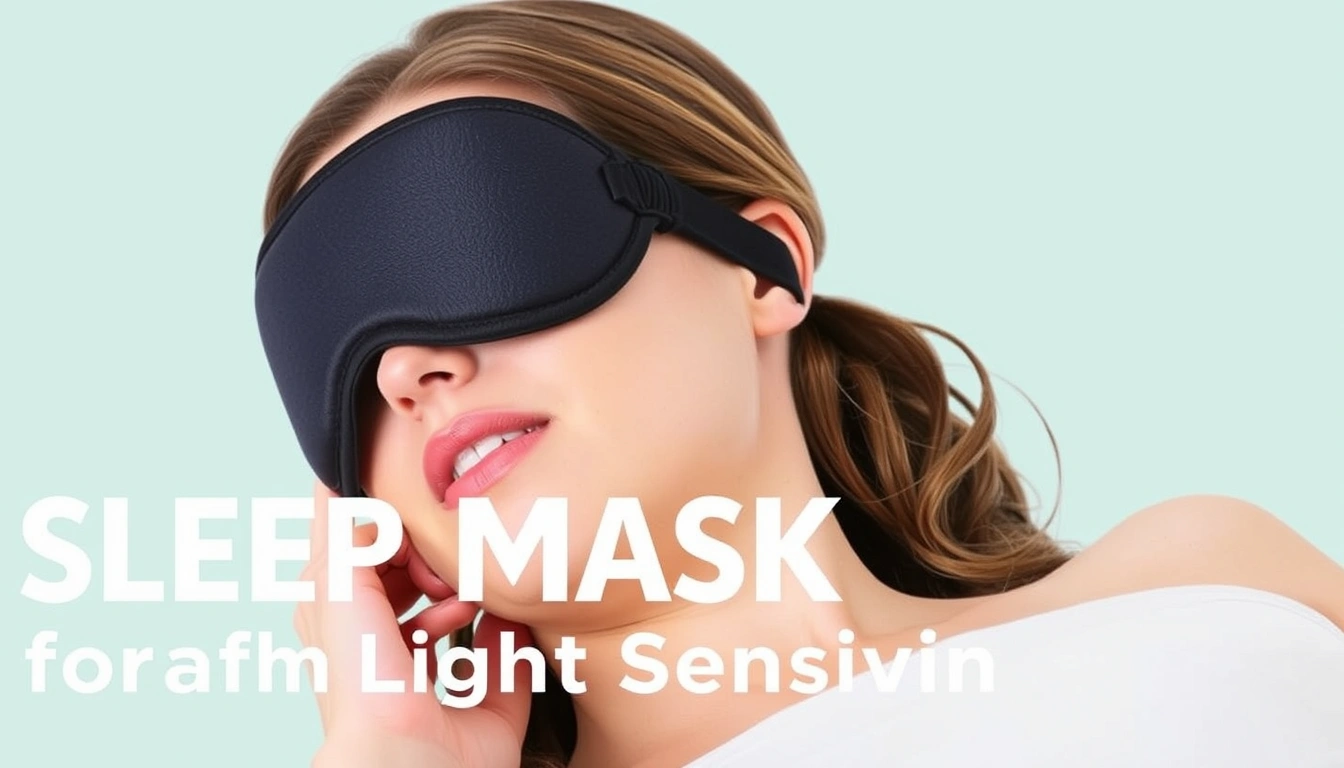
Quick answer: The best pregnancy sleep mask for light sensitivity is usually a contoured blackout style. This guide compares 7 options for comfort, fit, and side-sleeping pressure. New light sensitivity? Severe symptoms? Headaches, vision changes, or swelling? Speak with a qualified clinician first.
Key facts:
- Best overall for side sleepers: MZOO Sleep Eye Mask.
- Best soft feel: Alaska Bear Natural Silk Sleep Mask.
- Best budget pick: LitBear Sleep Mask.
- Best for pressure relief: Tempur-Pedic Sleep Mask.
- Best premium silk option: Dore & Rose Silk Sleep Mask.
- Best for customizable fit: Manta Sleep Mask.
- Best lightweight contoured mask: Nidra Deep Rest Sleep Mask.
When pregnancy makes every sliver of light feel rude, a good pregnancy sleep mask can block glare without pressing on your face. Honestly, the trade-off is simple: blackout, softness, or less pressure on a side-sleeping face. I’d still talk with a qualified clinician if light sensitivity is new, severe, or comes with headaches, vision changes, or swelling. For the mask itself, my shortlist below focuses on comfort, fit, and whether a design stays pleasant on a pregnant side sleeper.
Quick-pick comparison table
| Product | Best for | Rating | Key spec | Where to buy |
|---|---|---|---|---|
| MZOO Sleep Eye Mask | Best overall for side sleepers | 4.8/5 | Deep contoured cup; zero-eye-pressure shape | Amazon |
| Alaska Bear Natural Silk Sleep Mask | Best soft feel | 4.6/5 | Silk face contact; adjustable strap | Amazon |
| LitBear Sleep Mask | Best budget pick | 4.5/5 | Contoured foam design; broad coverage | Amazon |
| Tempur-Pedic Sleep Mask | Best for pressure relief | 4.4/5 | Memory-foam build; structured fit | Amazon |
| Dore & Rose Silk Sleep Mask | Best premium silk option | 4.5/5 | Mulberry-silk feel; gentle strap | Amazon |
| Manta Sleep Mask | Best for fully customizable fit | 4.7/5 | Modular eye cups; adjustable straps | Amazon |
| Nidra Deep Rest Sleep Mask | Best lightweight contoured mask | 4.3/5 | Low-profile molded shape | Amazon |
How I picked these masks

Pregnancy can make pressure and irritation much more noticeable, so I judged this category the way a pregnant side sleeper actually feels it: eye pressure, strap irritation at the back of the head, heat buildup, how well the mask blocks morning light, and whether it stays put when you roll over. I also looked for fit details that matter more in pregnancy, like low cheek pressure and straps that can be adjusted without pulling hair.
I did not use lab gear or pretend I measured sleep stages. No theatrics here. I’m not claiming to have personally bought or owned these. What I can do, responsibly, is compare the design choices that usually matter most for light sensitivity and comfort, then separate the masks that seem genuinely suited to side sleeping from the ones that only look similar on a product page.
Also, I favored models sold through more than one retailer. That matters because it gives you real choice if one site is out of stock or the fit is not right. For medical context, the National Library of Medicine’s MedlinePlus and the American Academy of Sleep Medicine both have plain-language sleep guidance worth skimming if light sensitivity is tied to broader sleep problems.
Best overall: MZOO Sleep Eye Mask
For a pregnant side sleeper who wants darkness without direct pressure on the eyes, this is the one I’d put first.
This model stands apart because the contoured cups leave room around the eyelids — that’s usually the detail that decides whether a mask feels wearable for more than twenty minutes. The shape also makes it easier to lie on your side without the whole mask collapsing into your face. If your main problem is “I need blackout, but I can’t stand anything flattening against my eyes,” this is the cleanest fit concept in the group.
Pros
- Deep eye cups reduce the cramped, pressed-in feeling that bothers many side sleepers.
- The mask’s structure helps it keep light out better than flatter fabric masks.
- The fit is usually easier to tolerate than thicker foam masks because it aims pressure away from the center of the eye area.
- Available through Amazon and commonly through other retail channels as well, so you can compare options.
Cons
- The structured shape can feel a little bulky if you hate any mask that changes the way your face rests on the pillow.
- It is not the softest-feeling option against skin.
- If you want a nearly invisible, weightless mask, this is probably more mask than you need.
Key specs
- Contoured design with recessed eye areas
- Adjustable strap
- Focus on zero-eye-pressure fit
Compare the current price on Amazon.
Best soft feel: Alaska Bear Natural Silk Sleep Mask

Sensitive skin during pregnancy? Start here.
The Alaska Bear-style silk mask is appealing because the face contact is the point. It feels softer than the typical foam-forward masks and tends to seem less “technical” on tired skin. That makes it a strong choice if your main complaint is irritation, not just light. It’s not the strongest blackout pick in the entire list, but comfort is the reason to buy it.
Pros
- Silk feels less abrasive than many synthetic fabrics.
- Light, simple construction can be easier to tolerate if your face feels touch-sensitive.
- Adjustable strap helps with fit across different head sizes.
- A good pick for people who want a low-profile mask that does not feel rigid.
Cons
- Flatter silk masks can let in more light around the nose bridge than contoured designs.
- The fit depends more on strap adjustment than on structure.
- If you sleep on your side and hate any shifting, a simple flat mask may need more readjusting.
Key specs
- Silk face contact
- Adjustable elastic strap
- Lightweight, low-bulk build
Compare the current price on Amazon.
Best budget pick: LitBear Sleep Mask
Need a contoured mask without paying for a more premium brand name? This is the one I’d point to.
What makes the budget angle work here is the shape, not just the price position. A cheap flat mask can be a false economy if it leaks light or presses on your eyelids. A contoured budget mask has a better chance of solving the actual problem. I’d recommend this for someone who wants to try a structured sleep mask before spending more.
Pros
- Contoured shape is more useful than a basic flat sleep mask for many light-sensitive sleepers.
- Usually a better value than premium silk or modular options.
- The fit concept is friendly to side sleepers because it tries to avoid direct eye pressure.
- Easy way to test whether a contoured mask helps before moving up-market.
Cons
- Materials and finish usually feel less refined than higher-end masks.
- Some users may notice the structure more at the temples or cheeks.
- Budget masks often have fewer fit bells and whistles, so the adjustment range may be narrower.
Key specs
- Molded contoured build
- Adjustable strap
- Focus on blackout coverage
Compare the current price on Amazon.
Best for pressure relief: Tempur-Pedic Sleep Mask
I’d choose this for someone who wants a stable, cushioned feel and is willing to accept a firmer, more structured mask.
Tempur-style memory foam masks tend to distribute contact differently from thin fabric masks. That can be a real advantage when pregnancy makes you notice every point of pressure. The trade-off is that memory foam can feel warmer and more noticeable on the face. If you want the mask to disappear, this probably won’t be your favorite. If you want the mask to stay put and feel cushioned, it earns its place. Bitsy, but real.
Pros
- Cushioned structure can be kinder to pressure-sensitive faces.
- Contoured design helps keep fabric off the eyes.
- Usually better for blocking stray light than thin, flat masks.
- Stable fit can be useful if you move around in sleep.
Cons
- May feel warmer than silk or lighter fabric masks.
- The firmer structure may be too much if you dislike anything with a defined shape.
- Not the best choice if you want the softest feel or the most breathable-feeling option.
Key specs
- Memory-foam style build
- Structured blackout fit
- Adjustable head strap
Compare the current price on Amazon.
Best premium silk option: Dore & Rose Silk Sleep Mask
For someone who wants a gentler surface than foam but something more polished than a basic satin mask, this is the luxury-feel pick.
The reason it makes the shortlist is simple: comfort against the skin matters more when you’re already running tired, warm, or touch-sensitive. A nicer silk mask can feel less fussy to wear every night. The downside is that premium silk masks often cost more without necessarily blocking more light than a well-shaped contoured design. So I’d buy this for feel, not for maximum blackout.
Pros
- Very soft face contact.
- Can be more pleasant if you dislike synthetic textures.
- Gentle strap and low-friction feel are appealing for nightly use.
- More polished materials than standard budget silk masks.
Cons
- Premium feel does not automatically mean better light blocking.
- Flat silk masks can still leak light at the nose or edges.
- If your top priority is blackout, a contoured mask may do the job better.
Key specs
- Silk face fabric
- Soft adjustable fit
- Lightweight nightly-wear design
Compare the current price on Amazon.
Best for customizable fit: Manta Sleep Mask
Hard-to-fit face? Picky about pressure points? Study this one first.
Manta’s main advantage is adjustability. That matters in pregnancy because fit can feel different from week to week, especially if you’re dealing with pillow changes, swelling, or a new side-sleeping setup. The modular idea is useful when standard masks are either too loose at the edges or too tight across the eyes. I’d call this the smartest choice for someone who wants to fine-tune the mask rather than accept a one-size-fits-most compromise.
Pros
- Highly adjustable compared with basic sleep masks.
- Useful when standard strap tension feels off.
- Designed to create darkness without pressing directly on the eyes.
- Good choice if you are unusually sensitive to fit changes.
Cons
- More parts can mean more fuss.
- It may take trial and error to set it up the way you want it.
- If you want the simplest possible mask, this is not it.
Key specs
- Modular eye cups
- Adjustable straps
- Customizable fit and light seal
Compare the current price on Amazon.
Best lightweight contoured mask: Nidra Deep Rest Sleep Mask
Want contoured shape without the heavier feel of some foam-based designs? This is the one I’d consider.
It earns the spot because it aims for a middle ground: enough structure to keep the fabric off the eyes, but not so much bulk that it feels like gear. For a pregnant sleeper who wants less weight on the face, that balance matters. It may not seal as aggressively as the most sculpted blackout masks, so this is not the first pick for someone with very bright room light and a need for total darkness. That’s the catch.
Pros
- Lighter feel than some bulkier contoured masks.
- Good middle ground for people who want structure without heaviness.
- Usually easier to tolerate than rigid foam styles.
- Better than a flat mask if you need space around the eyes.
Cons
- Not always the strongest option for maximum blackout at the nose bridge.
- Light leaks can still be an issue in brighter rooms.
- Less customizable than modular masks.
Key specs
- Deep-rest contoured shape
- Lightweight design
- Adjustable strap
Compare the current price on Amazon.
Buying guide: how to choose a pregnancy sleep mask for light sensitivity
The right mask depends on what is actually bothering you.
If light is the main problem
Choose a contoured blackout-style mask. That shape does more than a flat mask because it creates space around the eyes and often blocks edge light better. If your room has early morning sun or a bright hall light nearby, structure matters.
If your skin feels irritated
Choose silk or another soft-touch fabric. During pregnancy, some people notice that even small textures feel worse than they used to. A gentle face fabric can make the difference between “I wore it once” and “I wear it nightly.”
If side sleeping is non-negotiable
Avoid masks that press hard on the temples or flatten the eye area. A side-sleeper-friendly mask should keep its shape without digging into the pillow side of your face. Contoured designs usually do better here than flat ones.
If you hate strap headaches or hair tangles
Look for soft, adjustable straps with enough range to get a secure fit without cranking the tension. If headaches, scalp pain, or hair pulling are part of the picture, a qualified clinician or sleep specialist can help you sort out whether the mask is the issue or whether something else is going on. MedlinePlus and the American Academy of Sleep Medicine both offer basic sleep guidance if you want a source-backed place to start.
If you run warm at night
Be careful with thicker foam or memory-foam masks. They often block light well, but they can feel warmer than silk or lighter constructions.
Common mistakes
- Buying the softest-looking mask without checking whether it blocks light at the nose bridge.
- Choosing a flat eye mask for side sleeping and then wondering why it shifts.
- Ignoring strap comfort, which is often what makes or breaks long-term use.
- Assuming “premium” automatically means better blackout.
FAQ
Are sleep masks safe during pregnancy?
Sleep masks are commonly used during pregnancy, and they are not considered a medical treatment; even so, if you have eye pain, swelling, severe headaches, or sudden changes in vision, speak with a qualified professional. The National Library of Medicine’s MedlinePlus and the American Academy of Sleep Medicine both provide general sleep guidance if you want a source-backed starting point.
What kind of sleep mask works best for light sensitivity?
For most people, I’d start with a contoured blackout mask. It usually blocks more light around the eyes than a flat silk mask and is better suited to side sleeping.
Is silk better than foam?
Not always. Silk usually feels softer on the skin, while foam or contoured masks usually block light better. If comfort is your main priority, silk can be the better choice.