Last updated: August 11, 2026
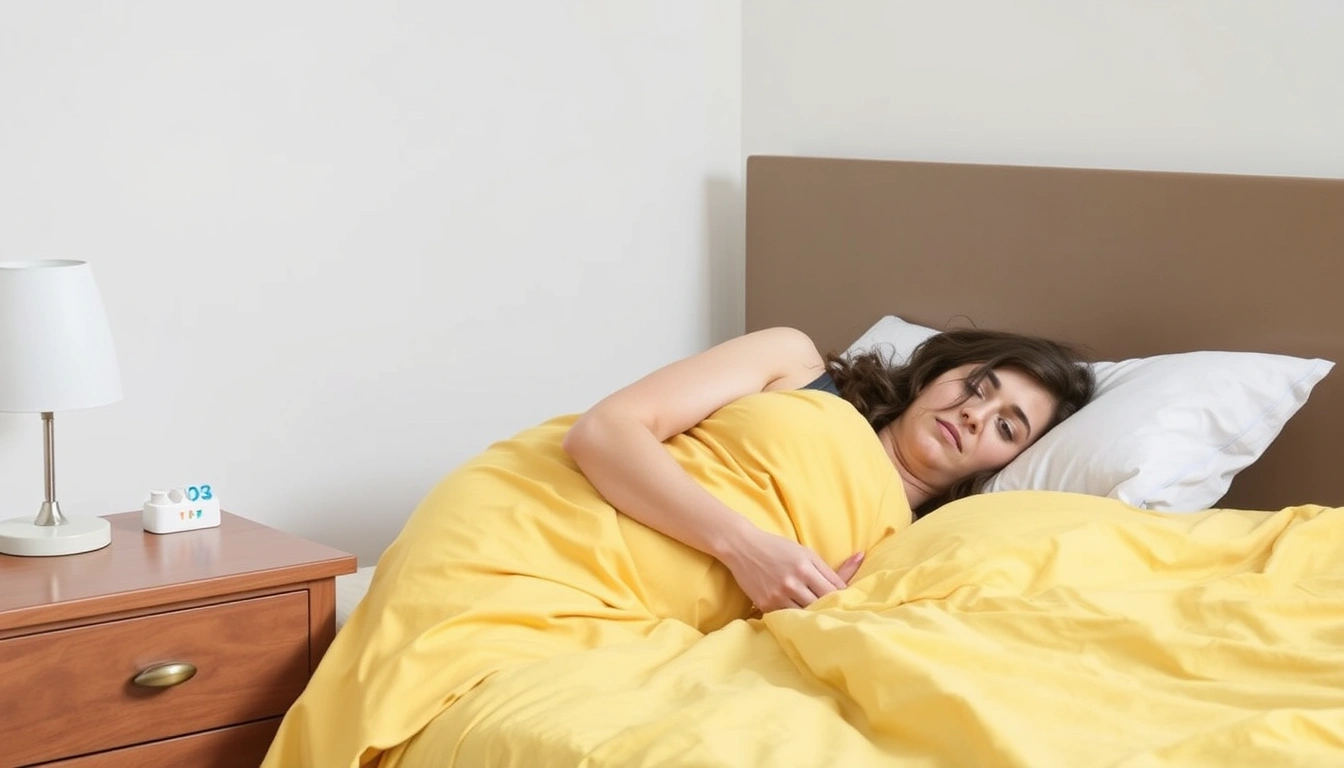
Thirty seconds into the question, the answer is already pretty clear: for most pregnant sleepers, side-sleeping is the usual recommendation, left side is the common starting point, and right side is often fine too. In a 2023 review of pregnancy sleep guidance, side-sleeping stayed the standard advice, especially later in pregnancy. Swelling? Reflux? High blood pressure? Pain? Any pregnancy complication? Talk with a qualified clinician about your own situation.
FTC disclosure: if you buy through retail links in articles like this, the publisher may earn a commission at no extra cost to you.
Quick Answer: Side-sleeping is usually recommended in pregnancy, with the left side the default starting point for most people and the right side often an acceptable backup.
Key takeaways:
– Side-sleeping is the main goal; left side is usually preferred.
– Right side is not automatically “wrong” and may be more comfortable for some people.
– Comfort, reflux, pain, and your clinician’s advice matter more than a rigid rule.
– If you have high blood pressure, swelling, reduced fetal movement, or another complication, get medical advice.
– Many people use a pillow between the knees and a bump pillow to stay on their side.
Verdict box: Left side wins for most pregnant sleepers, especially in later pregnancy, because it is commonly advised to reduce pressure from the uterus on major blood vessels; right side is a reasonable backup if left-side sleeping causes pain, numbness, or nausea.
Honestly, I write about pregnancy and maternal health often, and this topic deserves care because sloppy advice can spook people for no reason. The keyword matters here for a simple reason: pregnant sleepers usually want one usable answer, not a lecture. Straight answer. Not a sermon.
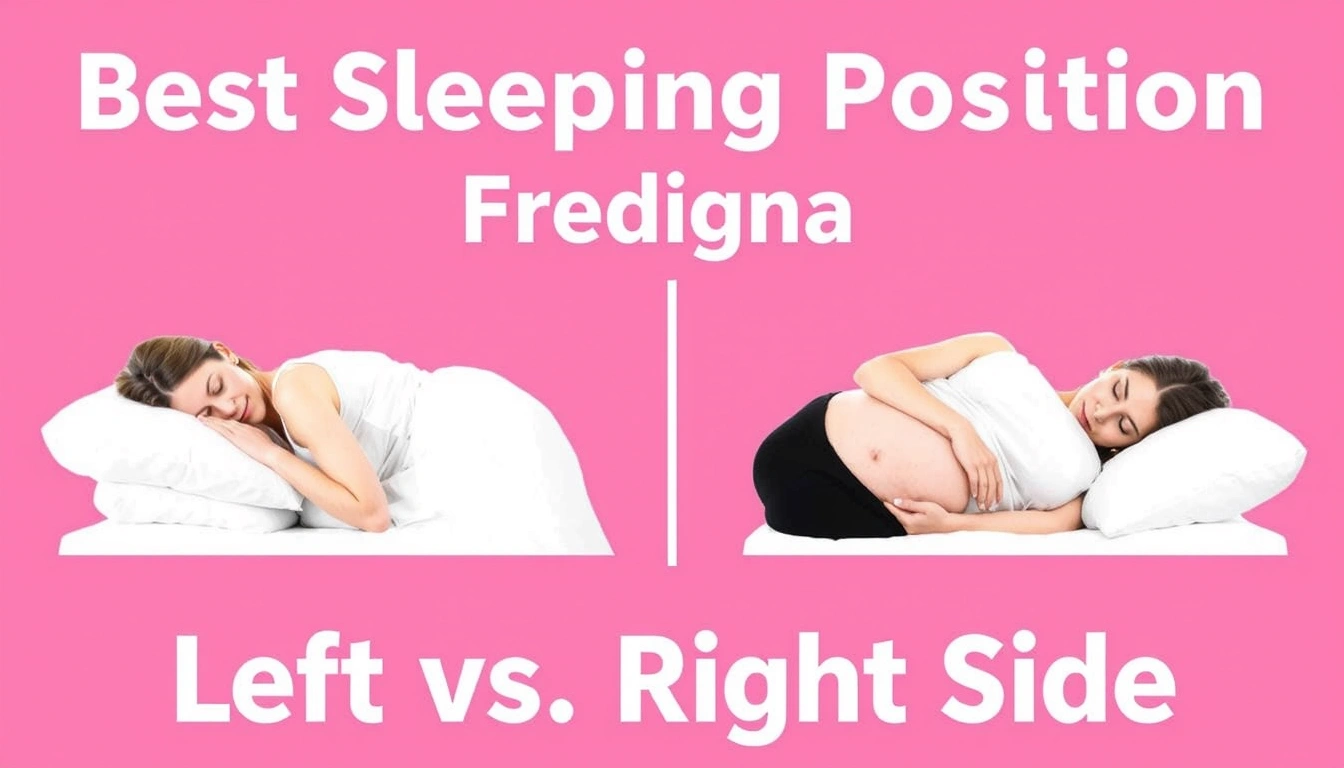
Quick comparison: left vs right side
| Decision factor | Left side | Right side |
|---|---|---|
| General recommendation | Usually preferred | Commonly acceptable |
| Blood vessel pressure | Often considered the better bet | Still side-sleeping, so usually fine |
| Reflux/heartburn | Can help some people | Can help some people; responses vary |
| Comfort for hip/shoulder pain | Depends on your body | Depends on your body |
| Best use case | Default side to try first | Backup when left side feels worse |
| Main drawback | Can feel awkward or cause left-hip soreness | Some people worry it is “wrong,” even when it may not be |
Best sleeping position during pregnancy: what the left side actually changes

No folklore here. The left-side recommendation comes from a practical idea: side-sleeping, especially on the left, may ease pressure from the growing uterus on the large vein that returns blood to the heart and on nearby organs. That is why many clinicians and patient-education pages from groups such as the American Pregnancy Association and major maternity resources discuss left-side sleeping as a common preference in later pregnancy.
But there is a limit to the neatness of that advice. It is not a magic fix, and it is not a diagnosis. Research on sleep position in pregnancy is still mixed, and comfort matters a lot. A “best” position on paper can be a disaster after 20 minutes if your hip burns, your shoulder goes numb, or your pelvis aches. Ouch.
What matters most in real life is this: side-sleeping is usually the main goal; left side is the default, not a law.
Left side vs right side: which one wins and why
1) Left side wins for circulation and “default” guidance
If I had to pick one side for most pregnant sleepers, I would pick the left. Simple. It is the side most often favored in pregnancy guidance because it may reduce pressure on major vessels and keep blood flow more comfortable in late pregnancy. That is the logic behind the recommendation, not a promise that every pregnant person will notice a dramatic difference.
Why this round goes to the left side: it matches the most common clinical advice, and it gives you a clean starting point if you want a simple rule to follow.
Trade-off: some people find the left side aggravates heartburn, shoulder pain, or pelvic discomfort. A “best” position is useless if it keeps waking you up.
2) Right side wins when the left side hurts
When left-side sleeping leaves you sore, anxious, or wide awake, the right side is a perfectly reasonable fallback for many people. I would not call that a failure. It is still side-sleeping, which is the bigger point; still, if you have a pregnancy complication or a clinician has given you individualized instructions, check with that professional first.
Too much generic advice turns this into a false either-or: left side or danger. That framing is flimsy. Real comfort matters. If the right side helps you fall asleep, stay asleep, and keep pain down, that may be the better night-to-night choice.
Why this round goes to the right side: it may be the more livable option for people whose bodies simply reject the left.
Trade-off: if your care team has given you specific guidance because of blood pressure, swelling, fetal growth concerns, or another issue, that personal advice matters more than a general article.
3) Reflux and nausea can flip the answer
A lot of people search for sleeping position during pregnancy because heartburn gets worse at night. Here the answer is less tidy. Some people feel better on the left side because stomach contents are less likely to travel upward in that position; others feel better on the right or slightly upright, especially when the left side feels too “compressed.”
I would not pretend there is one universal reflux position that works for everyone. Clinical guidance suggests side position can matter, but individual response varies.
Why this round is a tie: pregnancy reflux is personal. If one side clearly reduces burning, use the side that helps you sleep.
4) Comfort and body mechanics decide the winner more often than theory
People often ask me for the “correct” side, but the body usually decides for itself. A pregnant sleeper may have:
– one hip that flares on pressure,
– a shoulder that goes numb,
– sciatica that hates one leg position,
– a pelvis that feels better with support between the knees,
– or a belly shape that makes one side feel more natural.
That is why I care less about a rigid left-vs-right debate than about the setup around the side position. A firm pillow between the knees, a support pillow under the bump, and a mattress that does not sink too much can matter more than the side itself.
Why this round goes to comfort-based sleeping, not ideology: the best position is the one you can actually stay in for enough hours to rest.
What a generic article gets wrong about pregnancy sleep

A lot of articles make two mistakes.
First, they talk as if every pregnant person should sleep the same way. Not true. Pregnancy is not one condition with one sleep position. Your stage of pregnancy, your body size, your pain level, and your medical history all change the picture.
Second, they make back-sleeping sound like an emergency in every case. Too blunt. Many people wake up on their back, roll over, and go back to sleep. A single accidental position is not the same thing as choosing to sleep there all night. Worried because of a specific condition? Ask a qualified professional rather than letting fear fill in the blanks.
The honest message is narrower and more useful: side-sleeping is the main goal, left side is usually preferred, and right side is often the backup when comfort or symptoms demand it.
Who should get the left side
I would steer you toward the left side if:
– you are looking for the default pregnancy sleep position and want the most common guidance,
– you are in later pregnancy and want to reduce pressure from the uterus as much as possible,
– you do fine on your left hip and shoulder,
– or you want one simple rule to follow without overthinking every night.
If you like a standard, low-drama answer, this is it.
One honest weakness of the left side: it can be hard to tolerate for people with left-hip pain, shoulder pain, or reflux that feels worse when they lie that way.
Who should get the right side
I would steer you toward the right side if:
– the left side leaves you sore, numb, or restless,
– you switch sides often anyway and one side is clearly easier,
– you need a temporary backup that keeps you sleeping,
– or you have been told by your own clinician that your situation calls for individualized guidance.
Right side is not a second-rate choice just because it is not the usual first pick. For many sleepers, it is the difference between sleep and no sleep. That gap can feel huge at 2 a.m.
One honest weakness of the right side: it is usually not the first side mentioned in standard pregnancy advice, so some people worry they are doing something wrong when they are not.
Practical ways to make side-sleeping easier
I’m not going to overcomplicate this. These small adjustments often help more than obsessing over left versus right:
- Put a pillow between your knees to keep your hips from twisting.
- Support the bump with a small pillow if your abdomen feels pulled downward.
- Use a pillow behind your back so you do not roll fully onto it.
- If your shoulder aches, hug a pillow to keep the top arm from collapsing forward.
- If a side makes you numb, switch sides instead of forcing it.
A lot of people also sleep in a slight tilt rather than a perfect 90-degree side position. That is normal. Pregnancy sleep is not an exam. Not even close.
When to ask a professional instead of guessing
Please speak with a qualified professional if you have:
– high blood pressure,
– significant swelling,
– reduced fetal movement,
– severe pain,
– trouble breathing when lying down,
– or a pregnancy complication that your clinician is already following.
That is not me trying to be dramatic. It is me refusing to turn a general sleep article into personal medical advice. Pregnancy is not the place to improvise around known red flags.
For trustworthy guidance, I would start with sources such as:
– NHS guidance on sleep during pregnancy
– ACOG patient education on sleep and pregnancy
– American Pregnancy Association resources on sleeping positions
Those organizations are not identical in tone, but they all point in the same general direction: side-sleeping is usually preferred, and individual medical advice matters. For additional reading, the March of Dimes also discusses sleep discomfort in pregnancy, and the Sleep Foundation summarizes side-sleeping guidance in plain language.
FAQ
Is left side sleeping really better than right side during pregnancy?
Left side is usually the preferred first choice, but right side is often still acceptable. I would not treat right-side sleeping as forbidden unless your clinician has given you specific instructions.
What if I wake up on my back?
That happens to many people. In general, you can just shift back to your side. If you are worried because of symptoms or a pregnancy complication, ask your clinician.
Which side is better for heartburn?
It varies. Some pregnant people feel better on the left, some on the right, and some need a slight incline. The side that reduces your symptoms and lets you sleep is the practical winner.
Can I use pillows to stay on my side?
Yes. Many people find a pillow between the knees or behind the back makes side-sleeping much easier. That kind of support often matters more than picking the “perfect” side.
What is the single best sleeping position during pregnancy?
For most people, side-sleeping is the key idea, and the left side is usually the default recommendation. The condition that flips the answer is when your own symptoms, pain, or clinician’s guidance make the right side the more workable choice.
Final verdict
If you want the shortest honest answer, left side is the best sleeping position during pregnancy for most people, and right side is the better backup when left side hurts or keeps you awake. That is the position I would start with, but I would not force it through pain.
The one condition that flips the pick is simple: if left-side sleeping makes your body miserable, right side may be the better practical choice. And if you have any pregnancy complication or worry about your sleep position, talk with a qualified professional about your specific situation.